
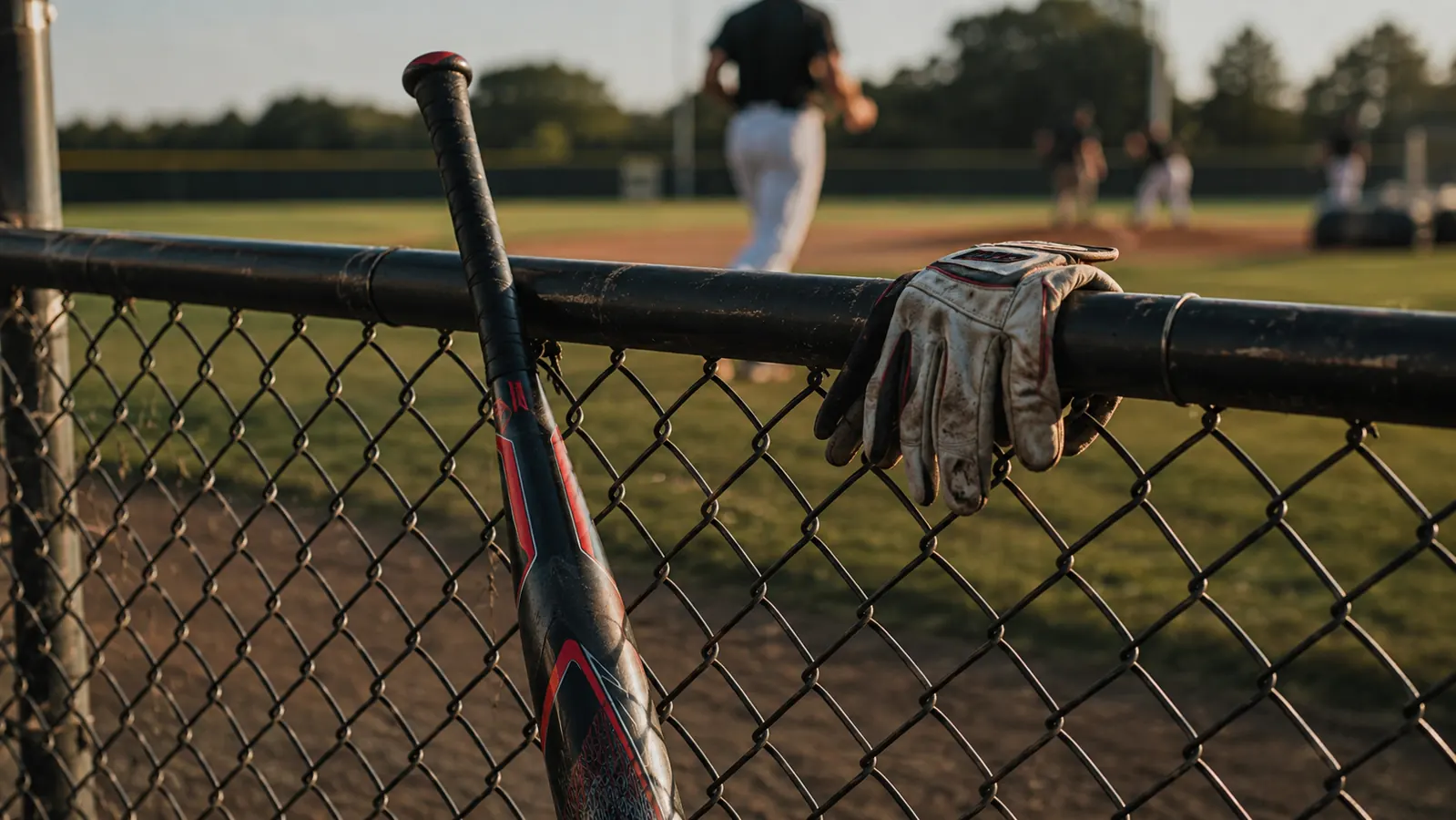
I bought the 2023 Louisville Slugger Meta in the -3 BBCOR drop in early April, mostly because my old Marucci had a hairline crack in the taper and I needed something legal for both my Sunday rec league and my son's high school JV season. Two bats, one household budget, so it had to work for both of us. I run a 33/30, he runs a 32/29, and between the two of us we put roughly 700 swings on this bat between April and the end of September, counting cage work, BP, and live games.
This isn't a bat unboxing. This is what happened after five months of actual use, two rain delays where it sat wet in a bat bag longer than it should have, and one foul tip off the end cap that I was sure had cracked the barrel (it hadn't). I'm not a coach and I don't get bats sent to me for free. I bought this one at full price because my old bat died mid-season and I needed a replacement that would last more than a summer.
The Quick Verdict
A one-piece BBCOR bat that hits like a two-piece without the vibration in your hands. Best for contact hitters who want barrel feedback, not for guys chasing max exit velo on every swing.
Amazon Check Today's Price →Still swinging a bat that's cracked and just don't know it yet?
BBCOR bats don't announce their death, they just quietly stop hitting the way they used to. The Meta's one-piece alloy construction is built to hold its pop through a full season of league games, not just a warm-up round of BP.
Amazon Check Today's Price on Amazon →How I've Used It
I split time on this bat two ways. On Sundays I used it in a 30-and-over wood-and-BBCOR rec league where the pitching sits mostly 68-74 mph off a mound, some guys throwing a little harder. My son used the same model, one size down, for his JV season, seeing 72-80 mph varsity call-ups mixed in during scrimmages. That split matters because a bat that feels great in soft-toss and cage work can feel completely different against a 78 mph fastball with actual movement.
I broke it in the way Louisville Slugger recommends, no dead-ball drills, just live BP for the first 100-150 swings before trusting it in a real at-bat. By the third week I'd taken it into two league games and felt confident enough to leave the backup bat in the truck.
I also weighed both bats on a kitchen scale before the season started (33 oz for mine, 29 oz for my son's) and again in September. Neither had gained or lost more than half an ounce, which tells you the alloy wall isn't degrading in any way you can feel in your hands yet, even after a full season of use.
One detail I didn't expect to matter: the bat sat in a hot trunk more than once between June and August, and it also got soaked in a rain delay in late July that I forgot to towel dry before zipping it back in the bag. Alloy bats generally handle heat and moisture better than composite bats, which can delaminate if they stay wet too long, and after that scare I started drying the barrel before every trip home just to be safe.
The end cap held up better than I expected too. My old bat's end cap had started to separate slightly at the rim before it finally cracked through the barrel wall, so I checked the Meta's cap every few weeks all summer, running a thumbnail around the seam. By September there was no visible gap, no rattle when I shook it, and no rust bleed on the cap edge, which is usually the first visible sign that a BBCOR bat's structure is starting to give out.
The Barrel Feel: What a One-Piece Alloy Bat Actually Gives You
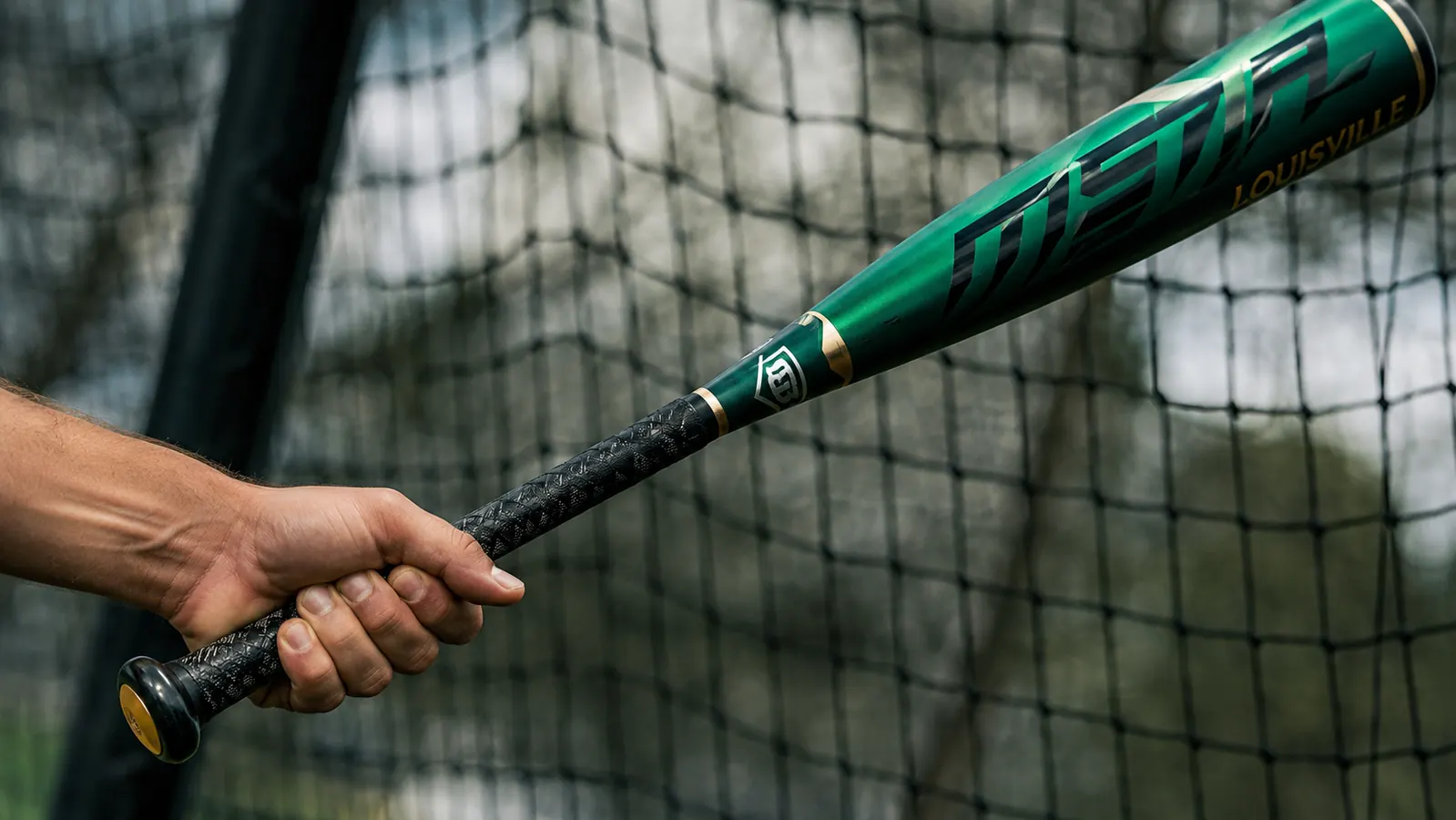
The Meta is a one-piece, fully alloy BBCOR bat, which puts it in a different category than the two-piece hybrid bats I'd swung the previous two seasons. One-piece bats transfer more feedback straight into your hands. You feel a mishit low on the handle as a real sting, not a dulled thud. That's not a flaw, it's information. After a few weeks I could tell from the vibration alone whether I'd caught the ball an inch off the sweet spot.
The barrel itself measures 2 5/8 inches, standard BBCOR sizing, and Louisville Slugger's SL Hyper Alloy construction gives it a stiffer feel at contact than the composite-barrel bats my teammates were running. On balls I squared up, the sound off the barrel is a sharp, high-pitched crack, not the lower thud you get from a lot of composite two-piece bats. That crack is subjective, but three different teammates asked me what bat that was after hearing it off the tee.
Where the one-piece design costs you is on the mishits. Foul-tip a ball off the end cap and you'll feel it in your palms for a pitch or two. My son complained about this exactly once, in late May, after jamming himself on an inside fastball. It wasn't pain, just a reminder that this bat doesn't cushion bad contact the way a two-piece hybrid does.
I also noticed the sweet spot is a touch smaller and more forward on the barrel than on the two-piece composite bat I'd used the two seasons before. It took me maybe a dozen live at-bats to relearn exactly where to make contact, and once I did, the results were noticeably more consistent than they'd been with my old bat toward the end of its life.
Swing Weight Over a Full Season
Both of us run end-loaded feel preferences, which is exactly what the Meta gives you at -3. It's balanced, but the mass sits slightly toward the barrel, so you feel the head of the bat working through the zone rather than whipping a light handle. For a contact hitter who wants to drive the ball gap to gap, that end-load feel is an asset. If you're a slap-and-run leadoff type who wants the lightest, quickest bat in the box, this isn't that bat, and Louisville Slugger doesn't market it that way either.
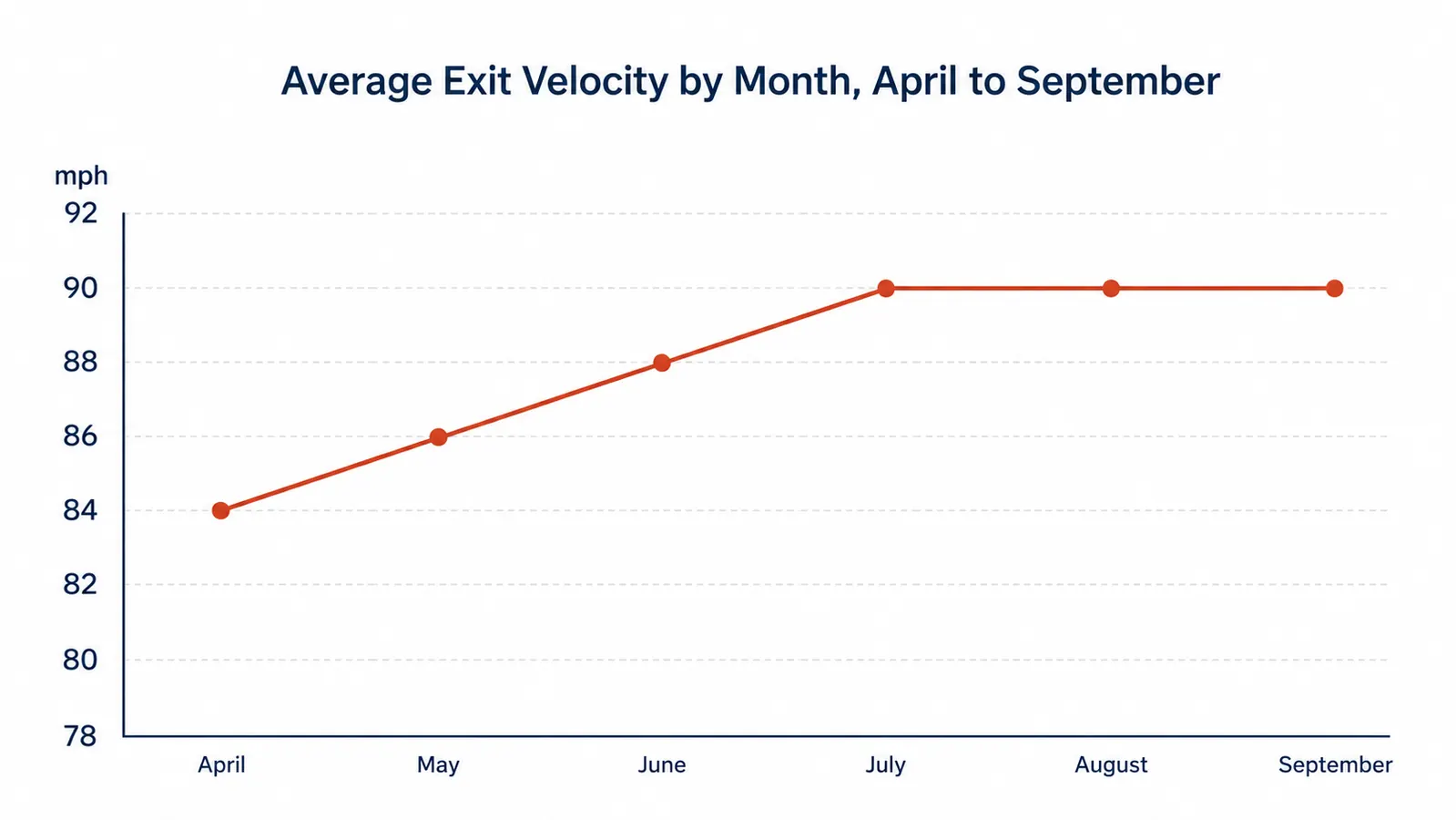
By August, after roughly 500 combined swings, neither of us noticed any change in swing weight or bat speed off a radar app we used during cage sessions. My average exit velo readings held in a tight band all season (low-to-mid 80s for me, high 70s to low 80s for my son), which suggests the barrel isn't fatiguing in any way that shows up on paper yet. One-piece alloy bats tend to be more durability-forward than composite bats specifically because there's no multi-piece bond that can loosen over time.
My son's bat speed actually crept up a few miles per hour between April and August, but I'd attribute most of that to him growing half an inch and getting stronger over the summer rather than anything the bat did differently. Worth mentioning because it's easy to credit a piece of equipment for gains that are really just a kid getting bigger.
What I Considered Before Buying
Before landing on the Meta I looked hard at a couple of two-piece composite options in the same price range, including a Marucci CAT9 Connect and an Easton Maxum. Both promised a lighter swing feel and more dampening on mishits, and I nearly went that direction because my hands were still remembering the sting from my old cracked bat's final weeks.
What tipped me toward the Meta was durability history more than feel. Composite bats can lose pop over a season or two as the resin bonds fatigue, and I'd already been burned once. A one-piece alloy bat doesn't have that failure mode in the same way. It can dent or, rarely, crack outright, but it doesn't quietly go dead on you the way some composite barrels do. For a bat that had to survive two hitters and a full season without a backup plan, I wanted the more predictable failure pattern.
Price factored in too. Both alternatives ran at premium pricing depending on size, while the Meta sat at a more accessible price point. That's not a small gap when you're outfitting two hitters, and I'd rather spend the difference on a second glove or a bag of practice balls than on a bat with a shorter track record for holding its pop.
Who I'd Recommend This Bat For
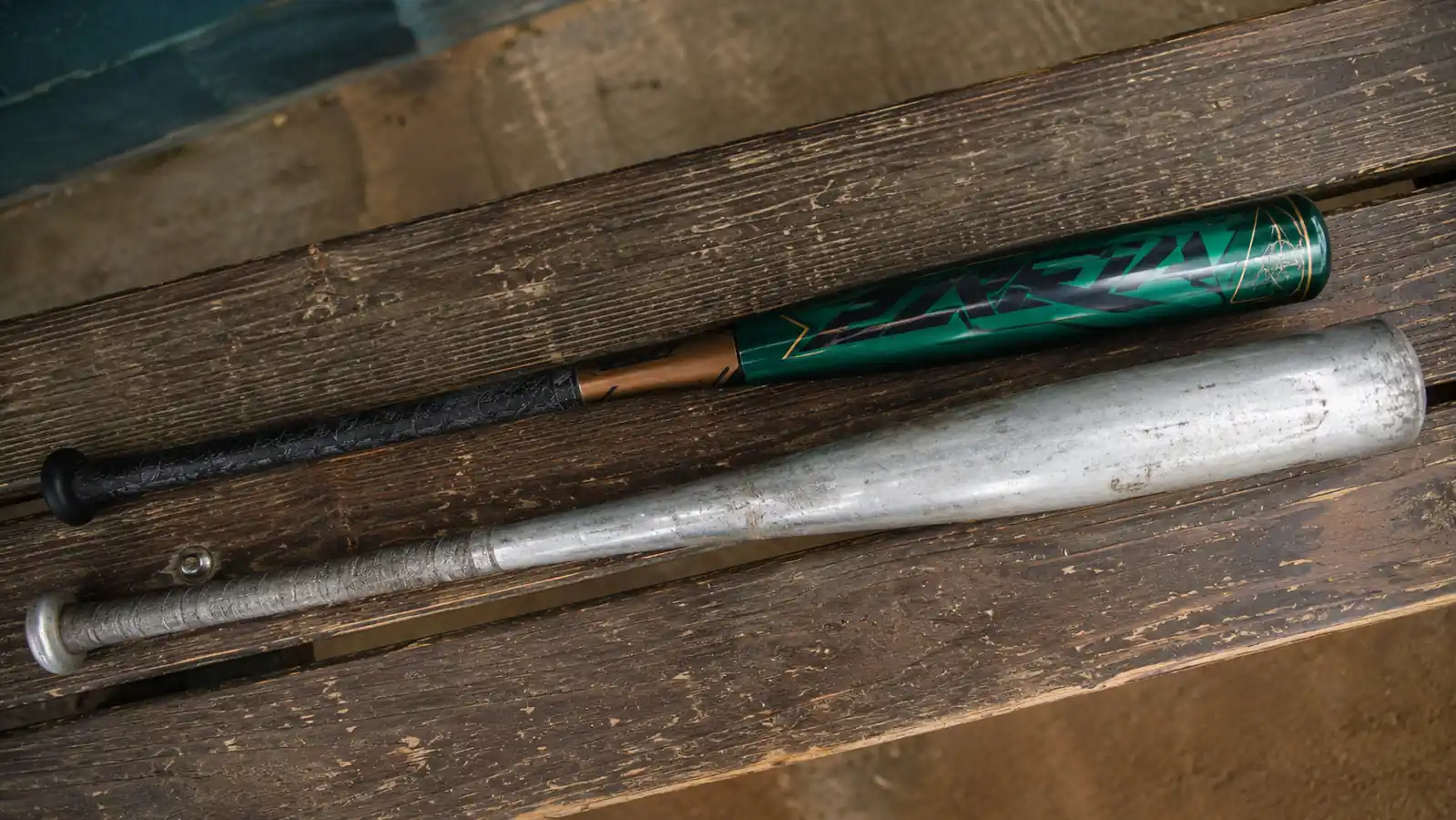
This bat is built for a contact-first, gap-to-gap hitter who wants real feedback off the barrel and doesn't mind an end-loaded swing. If you're a rec-league dad replacing a cracked bat, or a high school player who needs a BBCOR-certified bat for varsity or JV ball, the Meta covers both jobs without forcing you into a top-tier composite bat you'll outgrow in a size in two years.
It's also a smart pick if you rotate between multiple hitters in a household, the way we did. Because it's a stiffer, more traditional alloy feel rather than a composite bat that needs a long break-in period, a second hitter can pick it up cold and get results in the same week, which isn't true of every BBCOR bat on the market.
Tradeoffs I'd Flag Before You Buy
The sting on mishits is real, and if you've got a player who's still learning to find the barrel consistently, a two-piece hybrid with more give might be the kinder option for their hands. I'd also say this bat rewards a certain swing style. If your timing is inconsistent and you're jamming yourself a lot, the stiffer one-piece feel will make you aware of every single one of those mistakes.
I also want to be honest that 85 Amazon reviews at 4.8 stars is a smaller sample than you'd want for a premium purchase. Current-season BBCOR bats just don't rack up review volume the way youth bats do, because the buyer pool is smaller and the bat gets replaced every year or two as certification standards shift. I'd treat the rating as directionally useful, not gospel.
What I Liked
- Genuine barrel feedback, you can feel good contact versus mishits
- Held swing weight and exit velo consistent across a full season
- Works well for two different-sized hitters in the same household
- Priced well below the top-tier composite bats
- BBCOR certified for high school and college play
- Handled heat, moisture, and a full season of storage without losing pop
Where It Falls Short
- Stings your hands on mishits more than a two-piece hybrid would
- Small review sample (85) for a purchase at this price point
- End-loaded feel isn't for slap hitters or players wanting a lighter swing
- No dampening in the handle, so cold-weather games sting more
- Sweet spot felt slightly smaller than the composite bat I replaced
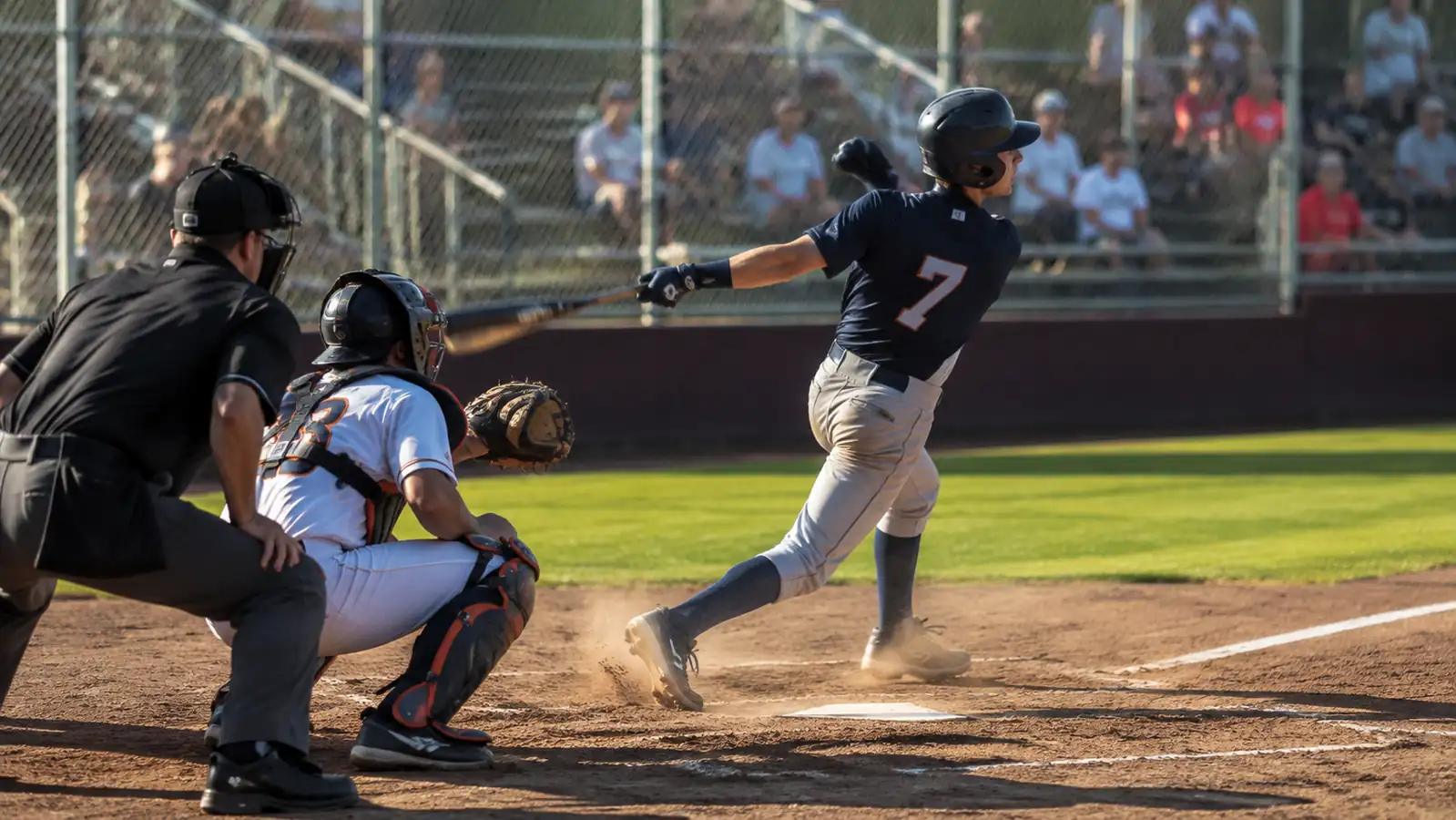
You feel every mistake with this bat, and that's exactly why it made both of us better hitters by July.
Who This Is For
Rec-league adults and high school players who want one legal BBCOR bat that can serve double duty across two different swing speeds. If you value knowing exactly where you hit the ball off the sound and feel alone, and you're okay with a stiffer, more traditional alloy swing, this is a season-long bat, not a one-tournament rental. It's also a solid choice for a family with more than one hitter needing a BBCOR bat, since the same model in different sizes worked equally well for both of us.
Who Should Skip It
If you're chasing the softest possible feel on mishits, or you're buying for a player who's still developing bat control and gets discouraged by hand sting, look at a two-piece composite instead. Same goes for anyone who wants the lightest possible swing weight for a slap-hitting, speed-first approach. The Meta isn't built for that swing, and no amount of break-in time is going to change that basic geometry.
One BBCOR bat, two hitters, one full season, no cracks.
That's the actual math on this bat in our house. Check today's price and see if it fits your lineup before your season starts.
Amazon Check Today's Price on Amazon →