
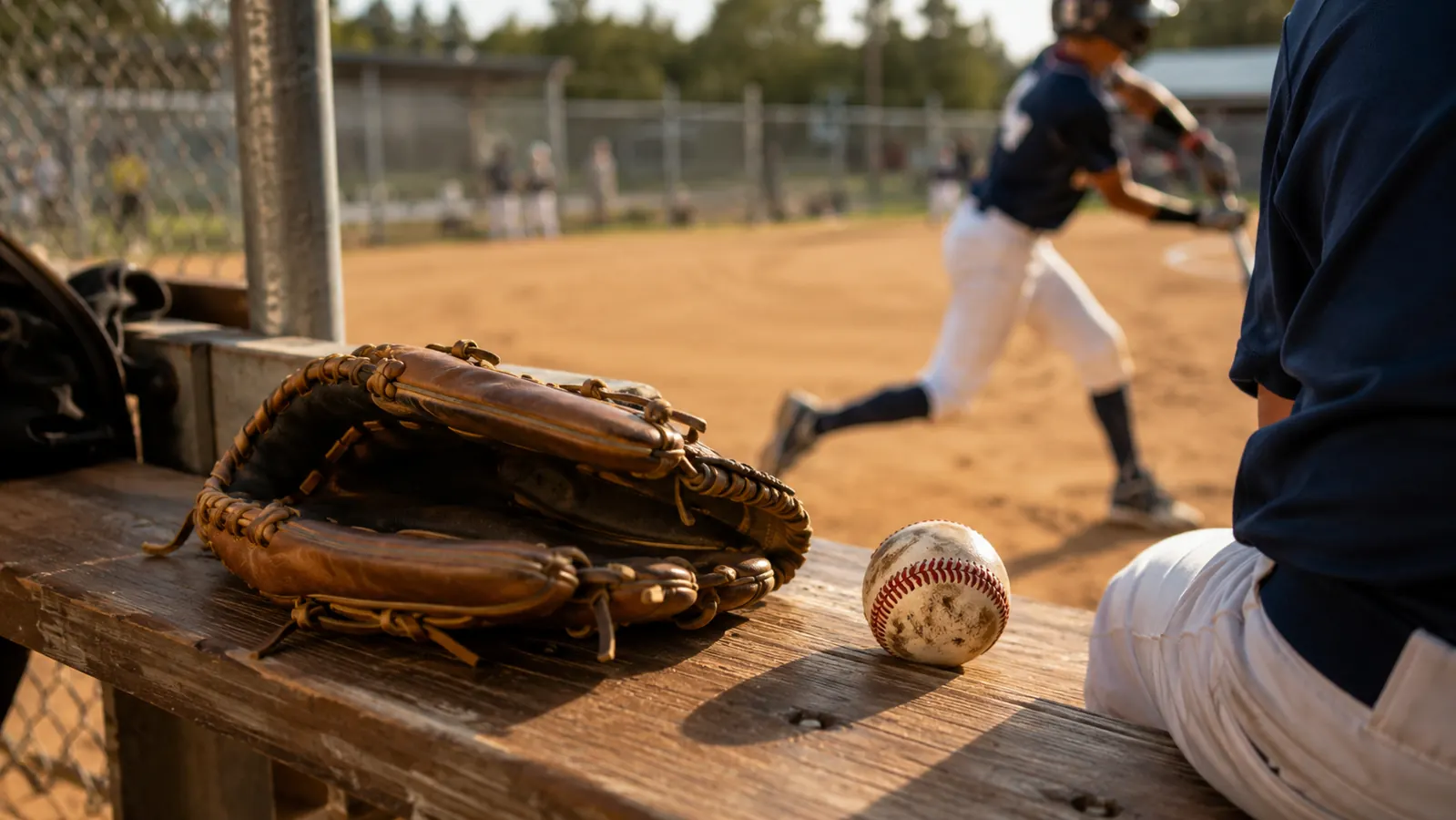
I bought my Wilson A2000 the first week of February, the same week our rec league emailed out the spring schedule. The glove I'd been playing with before that was a budget synthetic model, three seasons old, with a web that had already torn once and gotten stitched back together by a cobbler two towns over. I play third base in a Sunday coed league outside Columbus, and I wanted something that could take a full season of hot-corner reaction plays without falling apart by June. Six months and roughly 40 games later, plus twice-weekly practice reps, I can tell you exactly what the Wilson A2000 does well and where the leather is still fighting me a little.
Mine is the A2000 1786, an 11.5-inch infield pattern with a single post double bar web, Pro Stock leather, and a laced wrist strap instead of velcro. Wilson makes the A2000 in dozens of patterns for every position, so if you're shopping, the pattern number matters more than the general 'A2000' name on the tag. This review covers what six months of actual infield reps did to that specific pattern, not a general impression from a weekend of catch in the yard.
The Quick Verdict
A genuinely game-ready infield glove once you put in the break-in time. The leather rewards patience and punishes anyone expecting a game-day-out-of-the-box feel.
Amazon Check Today's Price →Stop re-taping a glove that's already given up on you.
If your current glove has a web that's stretched out or a pocket that never closes the same way twice, the A2000's Pro Stock leather is built to hold its shape for years, not months. Check today's price and current stock on Amazon.
Amazon Check Today's Price on Amazon →How I've Used It
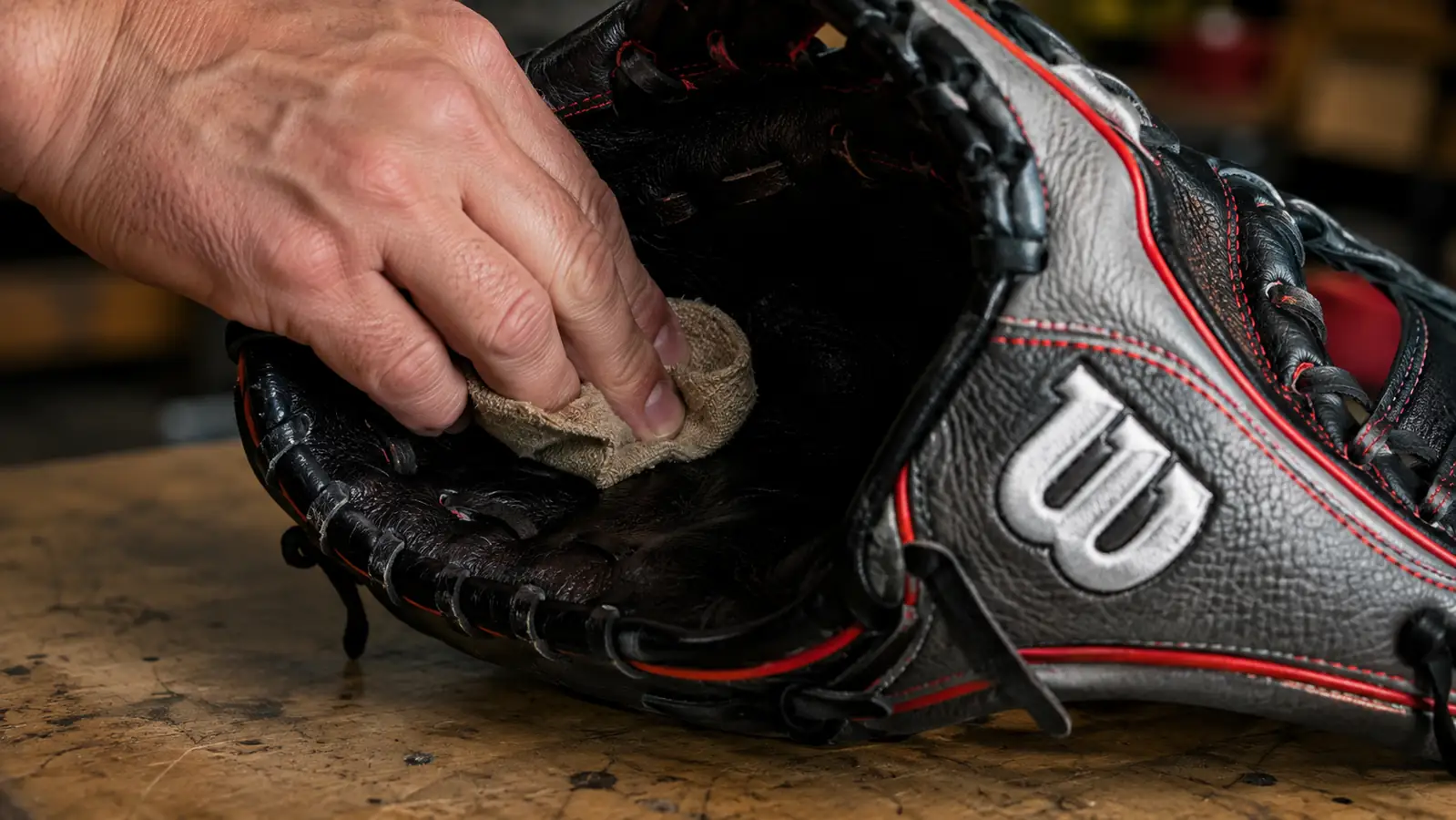
I didn't play catch with this glove out of the box and call it broken in. I ran the full routine: glove oil worked into the pocket and finger stalls with a rag, a ball and two socks laced into the pocket overnight for about ten days, then a glove mallet for another week before I trusted it in a live game. That's roughly three weeks of prep before opening day, which felt like a long time in early February when I just wanted to play catch in the driveway with my son instead of babysitting a piece of leather.
Once the season started, the glove went to every game and every Tuesday practice from mid-February through the end of August. That's close to 60 total outings if you count fielding practice separately from games. I play third, so this glove has taken hard one-hoppers, backhand stabs into the hole, and a fair number of bare-handed transfers where the ball comes out of the pocket fast. It's the position that punishes a slow-closing pocket the most, since you don't get a second to reset before the throw.
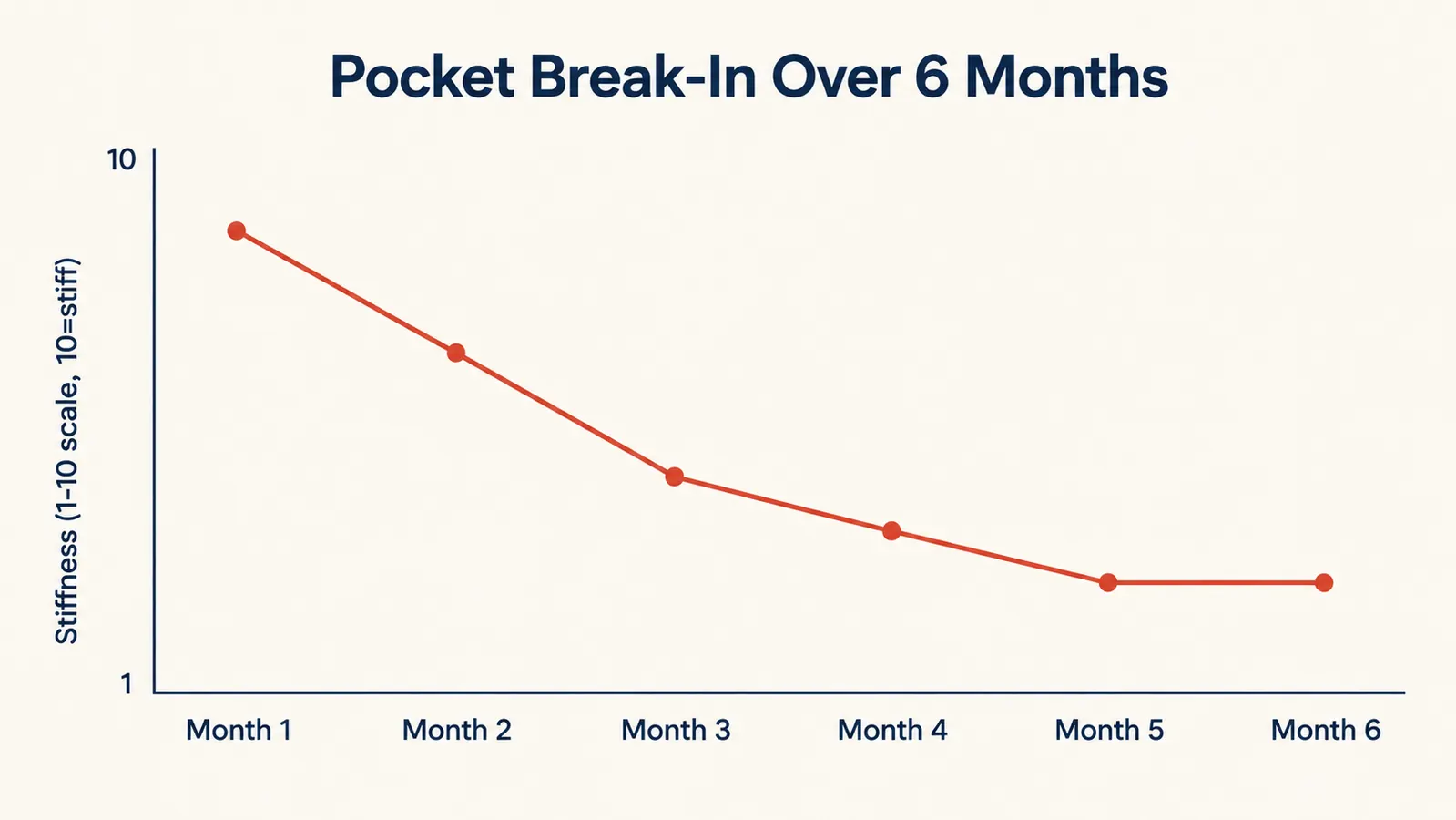
By month two the pocket had settled into a shape that matched my hand instead of the factory fold. By month four I stopped needing to re-oil it every other week and dropped down to once a month. I keep a cheap notebook by the door where I log which glove I used, mostly out of habit from tracking my kids' equipment, and going back through it now the pattern is obvious: the complaints in my notes stop appearing right around game nine and never come back.
I also rotated it through a stretch of rain-outs in April where three straight Sundays got canceled, which meant it sat in my bag, damp from one soggy Tuesday practice, longer than I would have liked. I dried it at room temperature away from any heat vent, which matters more than people think, since a glove dried too fast or too hot near a dryer or a car dashboard will crack. Mine came through that stretch with no stiffness issues once the season restarted.
The Leather and the Break-In Curve
Pro Stock leather is stiffer out of the box than the synthetic or SuperSkin gloves a lot of younger players use, and that stiffness is the whole point. It's the same reason a new pair of real leather work boots feels wrong for two weeks and then feels like nothing else. My first three games with the A2000 were rough. The pocket would half-close on a clean scoop and the ball would pop out on the transfer, which is exactly the failure you don't want at third base with a runner going.
That stopped being a problem around game eight or nine. Somewhere in there the leather finally took the shape of my palm and the pocket started closing the same way every time, whether the ball came in soft off the bat or hot off a metal barrel. I'd put the real break-in window at three to four weeks of consistent use, not the one weekend a lot of online reviews imply. If you need a glove that's game-ready in a weekend, this isn't that glove, and no Pro Stock leather glove from any brand really is.
The upside of that stiffness is what happens after month two. The pocket doesn't collapse or go floppy the way my old synthetic glove did by the end of its first summer. Six months in, the A2000 still snaps closed with the same shape it had in month three. That's the tradeoff you're buying: three or four annoying weeks up front in exchange for a shape that holds for years instead of one season.
Six Months of Infield Reps: What Actually Held Up
The lacing is the piece I watched closest, because lacing is what failed on my last two gloves before this one. After 60 outings across a Central Ohio summer, spring rain included, none of the lacing on the web or the finger stalls has loosened or frayed. I did have to re-lace one finger stall on a much older A2000 my brother-in-law owns after four seasons, so I'm not saying this leather and lacing is immortal, just that six months of real use hasn't touched it.
The heel pad, which is the part I'd expect to break down first on a lot of gloves, still has its shape. I tested this by pressing my thumb into it before writing this review and comparing it to a photo I took in February. There's compression, but it's the good kind, the kind that shows the glove has molded to catches rather than just gone soft.
Where I've seen real wear is cosmetic. The tan leather on the thumb and pinky have darkened noticeably from dirt, oil, and sweat, and there's a scuff on the heel from sliding it across the infield dirt to backhand a ball in July. None of that affects function. If you want a glove that looks new after a season, leather isn't the material for you regardless of brand.
Humidity was the variable I didn't expect to matter as much as it did. On the sticky August doubleheaders, the palm side of the leather got noticeably tackier, which actually helped me hold onto backhand grabs, but it also meant I had to wipe the pocket down between innings so sweat and infield dust didn't cake into the seams. That's a maintenance habit worth picking up regardless of which glove you buy, but it mattered more with real leather than it ever did with the synthetic model.
Weight and Feel at Third Base
At 11.5 inches, this pattern sits right in the range most adult infielders use, and it felt noticeably heavier than my old synthetic glove for the first month, mostly because Pro Stock leather itself weighs more than the composite material Wilson uses in its lower-tier lines. By midseason I stopped noticing the weight during games, but I did notice it in my glove hand after a doubleheader, more so than I remember from lighter gloves.
For a corner infield spot like third or first, I think the tradeoff is worth it. The extra structure in the leather is part of why the pocket holds its shape on hard-hit balls instead of collapsing around them. If you play middle infield and need to get the ball out fast on a double-play feed, a lighter pattern in the A2000 line, or a different Wilson series entirely, might serve you better than the 1786 I'm using here. I tried a middle infielder's smaller pattern for a few practice reps in June just to compare, and the quicker exchange out of that shallower pocket was obvious within a handful of throws.
What I'd Change
I looked at a couple of alternatives before landing on this glove, including a Rawlings Heart of the Hide in a similar pattern that a teammate plays with. His glove broke in slightly faster in his account, but he's also three seasons into it and started re-lacing the web this spring. I can't compare long-term durability firsthand since I haven't put six months into that glove myself, but it's the honest alternative I'd point a shopper toward if they wanted a second data point beyond this review.
The other thing I'd change isn't about the glove itself, it's about expectations. Wilson's marketing leans on how game-ready their gloves feel, and mine genuinely wasn't game-ready for the first three weeks. If I were coaching someone through this purchase, I'd tell them to buy it in the offseason, not two weeks before opening day, so the break-in doesn't cost them live reps in games that actually count.
What I Liked
- Pocket held its shape through 60 outings with zero lacing failures
- Pro Stock leather resists the collapse a synthetic pocket shows by midseason
- Heel pad and web still structurally sound after a full six months
- Comfortable, snug wrist fit once the leather softened around month two
- Survived a damp April stretch with no cracking once dried properly
Where It Falls Short
- Three to four weeks of real break-in before it's trustworthy in a game
- Noticeably heavier than a synthetic or SuperSkin glove, especially in doubleheaders
- Cosmetic darkening and one heel scuff by August, purely cosmetic but visible
- Current price puts it out of reach for a one-season rec player who won't get the long-term value
The pocket didn't stop fighting me until about game eight. After that, it never gave the ball back on a transfer again.
Who This Is For
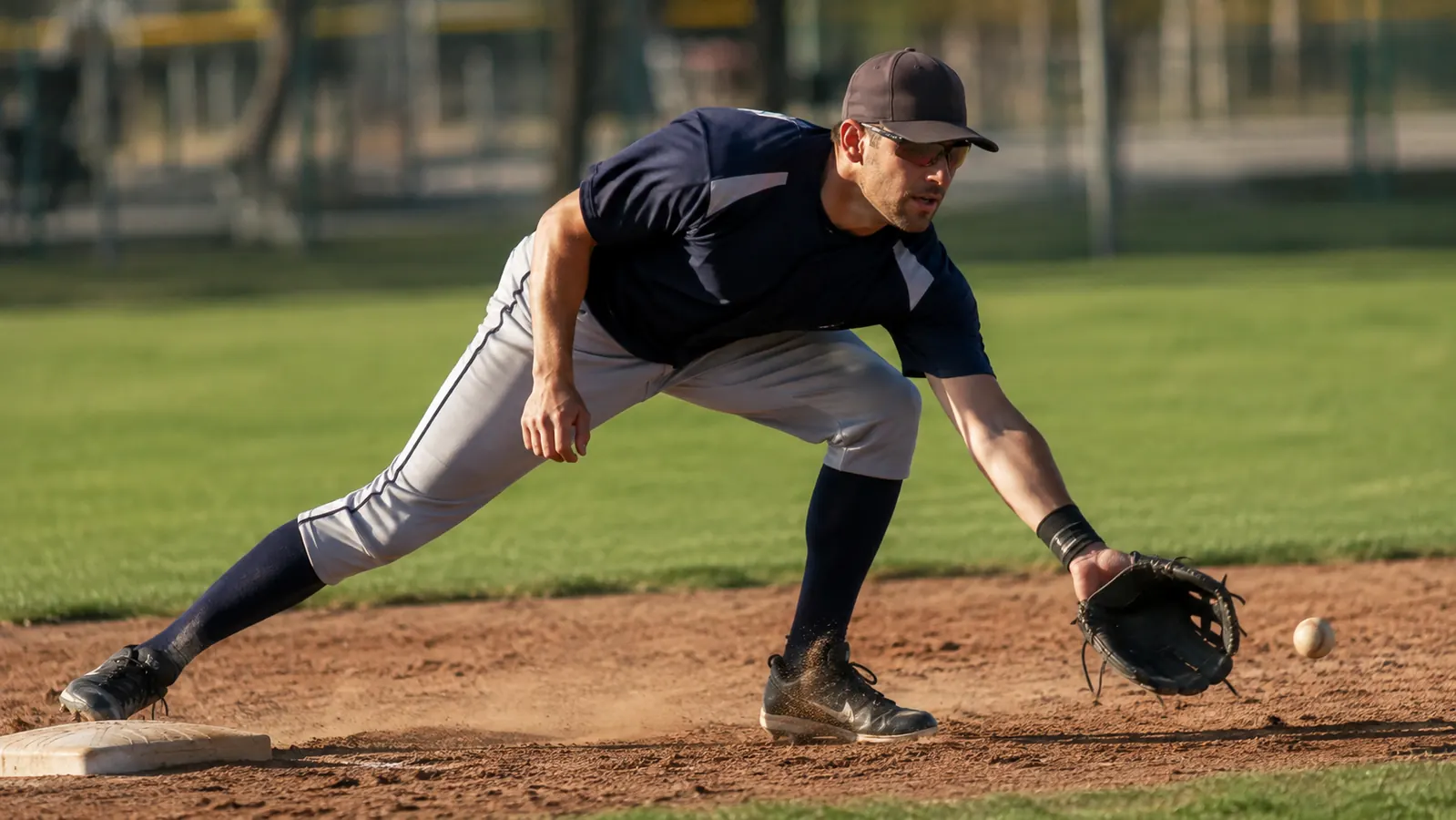
This glove makes the most sense for a player who's on the field multiple times a week for a full season or longer, whether that's a rec league adult like me, a high school infielder, or a serious travel-ball kid who's going to put real innings into it. The Pro Stock leather pays you back for volume of use. If you're going to play 40-plus games in it and keep it for multiple seasons, the cost per outing gets small fast, and you skip the mid-season sag I dealt with on cheaper synthetic gloves. I'd also point it at anyone who's already gone through the frustration of a lacing failure mid-game, since that's the exact problem this leather and lacing combination is built to solve. And if you're the type who's willing to spend twenty minutes with glove oil in the offseason instead of just tossing your gear in a bag, this glove rewards that habit more than almost any piece of equipment I own.
Who Should Skip It
If you're a beginner who isn't sure you'll stick with the sport, or a parent buying for a kid who's still growing out of glove sizes every year or two, I'd skip this one and put the money into a mid-range synthetic or hybrid glove instead. The break-in time doesn't make sense if the glove's going to be too small before it's even fully broken in, and the price tag stings a lot more for a single season of use than it does for the multi-year commitment I've given mine. I'd also skip it if you need a glove ready for opening day next weekend. Nothing in this leather rewards a rush job, and forcing the break-in with heat or over-oiling will do more damage than the stiffness ever would.
Six months in, this is the glove I reach for without thinking about it.
If you're ready to commit a season of break-in time for years of a pocket that actually holds its shape, the Wilson A2000 is worth checking at today's price on Amazon.
Amazon Check Today's Price on Amazon →