
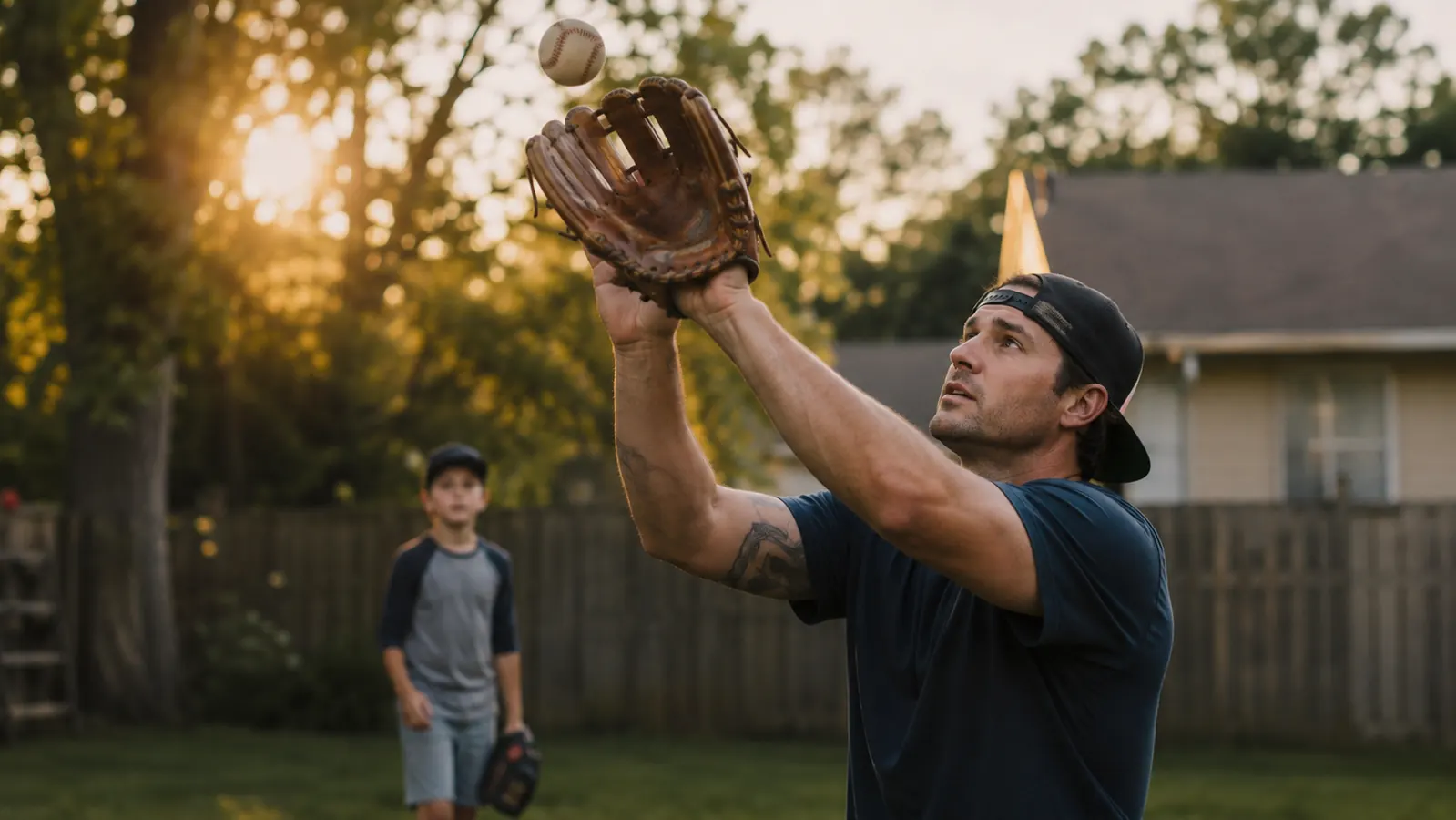
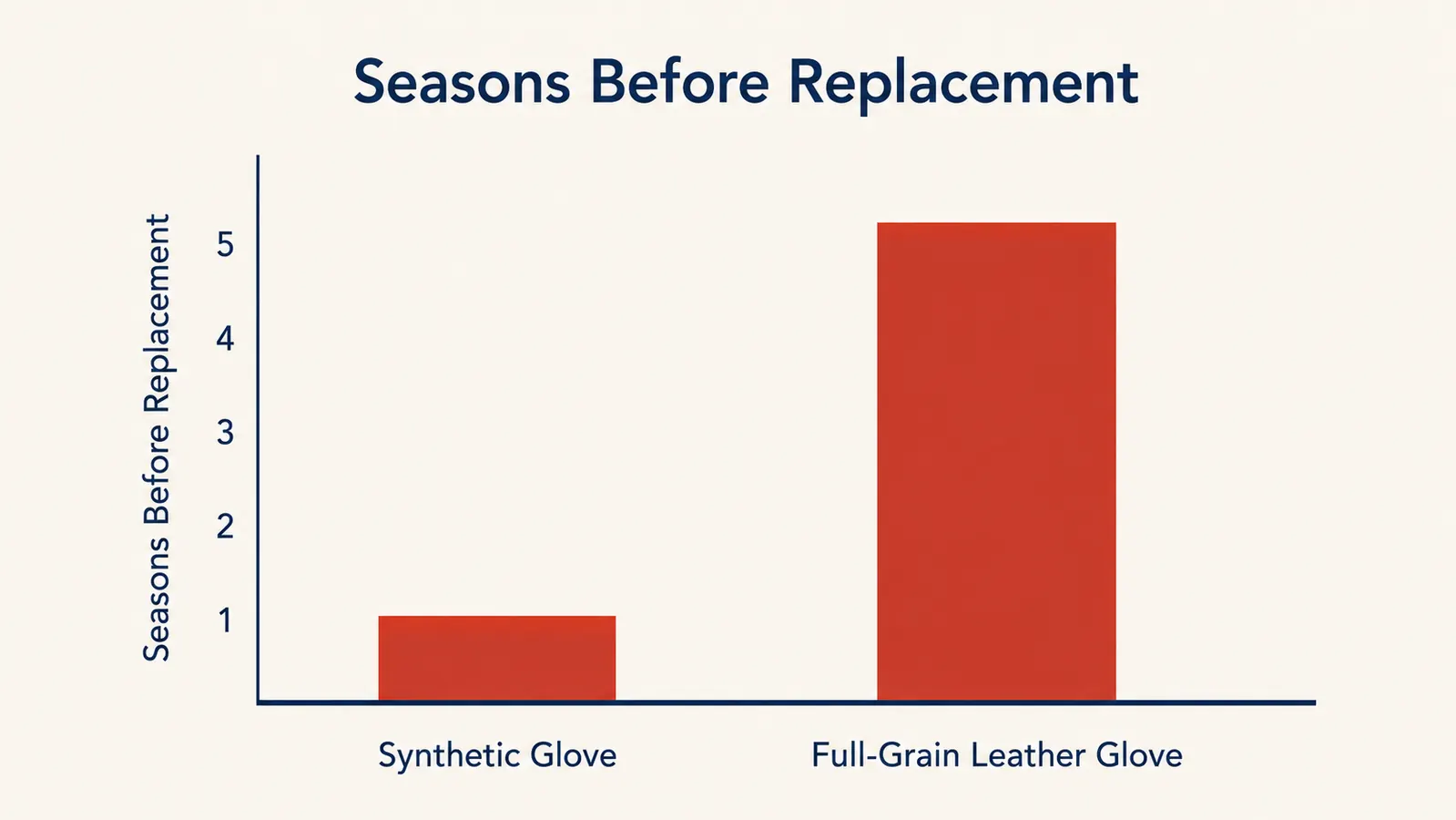
My son Eli started rec-league ball at eight with a glove that cost twenty-four dollars at a big-box store. By the end of that first spring season, the pocket had gone soft, the lacing on the pinky finger had frayed through, and the leather, if you want to call it that, had cracked along the crease from being folded shut in his bag all winter. We replaced it with a Wilson A2000, and four seasons later, three different kids in our house have used that same glove without it needing anything more than an occasional coat of conditioner.
That's not a fluke. A full-grain leather glove like the A2000 is built from a different category of material than the vinyl and synthetic leather stitched into most gloves under sixty dollars, and the difference shows up exactly where it matters, after a full season of practices, games, and being tossed in a bag that never quite airs out. Here are ten specific reasons a premium leather glove keeps outlasting the cheap ones, long after the receipt is gone.
Stop Replacing a Glove Every Spring
If you're buying a new glove every season because the last one cracked, frayed, or lost its pocket, the math already favors switching once to something built to last. The Wilson A2000 is the glove I wish we'd bought Eli in year one instead of year two.
Amazon Check Today's Price on Amazon →The Leather Won't Crack Once the Weather Turns
Cheap gloves use a synthetic or bonded leather that's really just a coated fabric. It looks fine in the store, but after one season of sun, sweat, and cold garage storage, it starts to crack right along the fold lines, usually across the palm or the base of the fingers. The Wilson A2000 uses Pro Stock full-grain leather, the same hide Wilson uses on gloves worn by big-league infielders. It doesn't dry out and split the way synthetic does, because it's an actual hide that absorbs oil and stays flexible instead of a plastic coating that just gets brittle and flakes.
The Leather Breaks In Around Your Hand, Not the Other Way Around
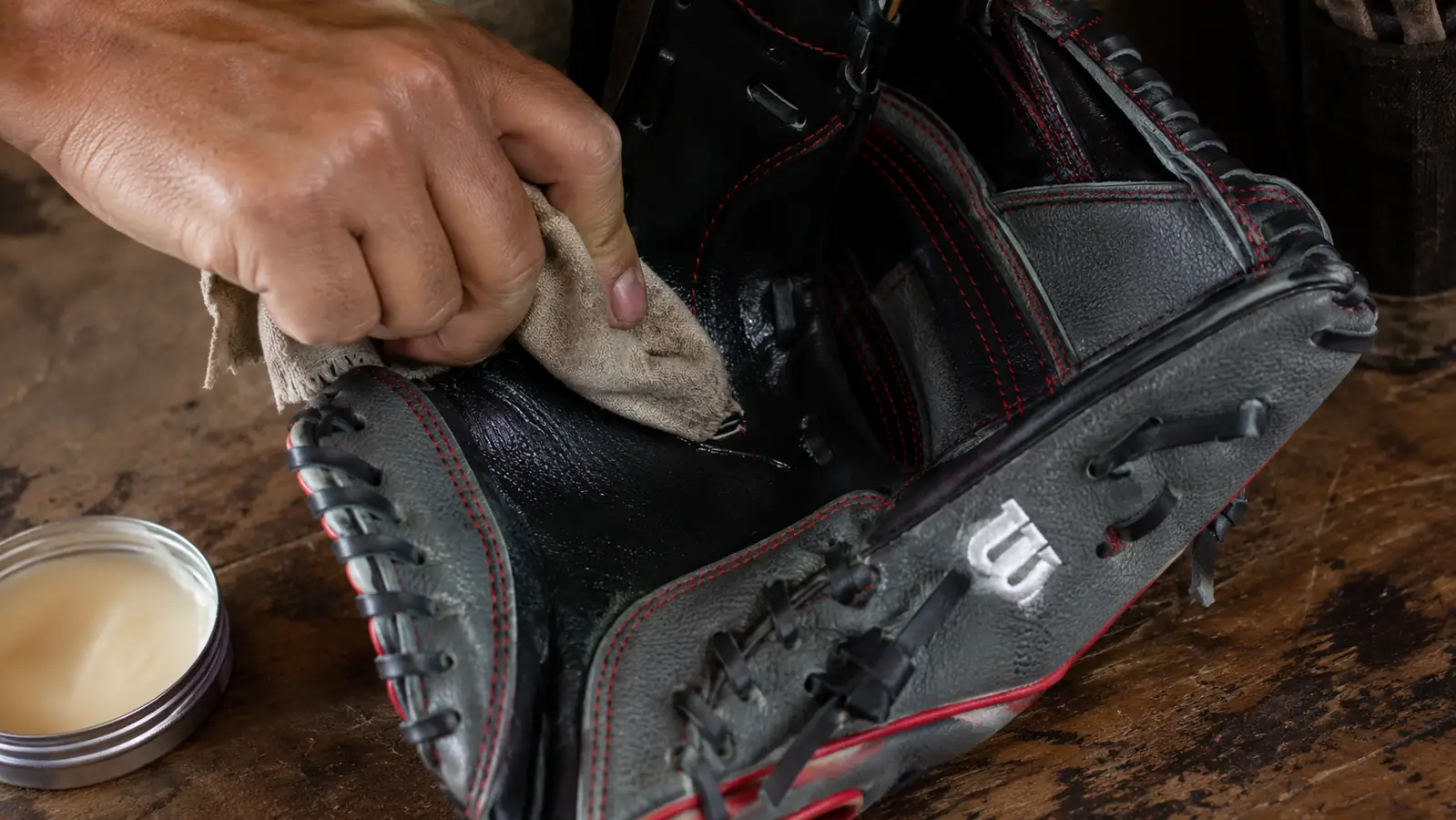
A cheap glove's pocket is basically permanent from day one, there's no real leather to reshape. That's why kids fight the glove all season instead of the glove working with them. Pro Stock leather actually molds to the shape of your hand and your catching style over weeks of use, the way a good pair of boots breaks in. Play catch with it, use a mallet on the pocket, condition it, and it forms a personal pocket that stays put for years instead of a factory pocket that never really existed.
Rawhide Lacing Doesn't Snap Mid-Season
Ask any coach what actually ends a cheap glove's life and it's usually the lacing, not the leather. Synthetic lace on a discount glove gets brittle and snaps at the web or the pinky loop, usually during a game, never during warmups. The A2000 is laced with real rawhide, which stretches slightly under tension instead of shearing off. I've re-laced exactly one section on our A2000 in four years, a twelve-dollar fix. We went through two full gloves in the two seasons before that.
The Pocket Holds Its Shape Instead of Collapsing
A cheap glove's pocket flattens out by midseason because the padding underneath is thin foam with nothing structural holding it. The ball starts popping out on hard-hit grounders because there's no pocket left to catch it in. The A2000's welting and heavier leather keep the pocket's shape even after hundreds of reps, so a groundball still sticks in September the way it did in March.
Hand-Sewn Seams Take More Punishment Than Machine Stitching
Cheap gloves are stitched fast on a machine with a single seam line, and that seam is the first thing to blow out under the stress of catching a hard-hit ball into the pocket. Wilson hand-sews the A2000's key seams, particularly around the thumb and pinky stalls, the two spots that take the most abuse from repeated palm-first catches. Hand stitching distributes the load differently than a single machine pass, and it shows up as fewer blown seams over a long season.
It Survives Sweat, Bag Storage, and the Occasional Rain Delay
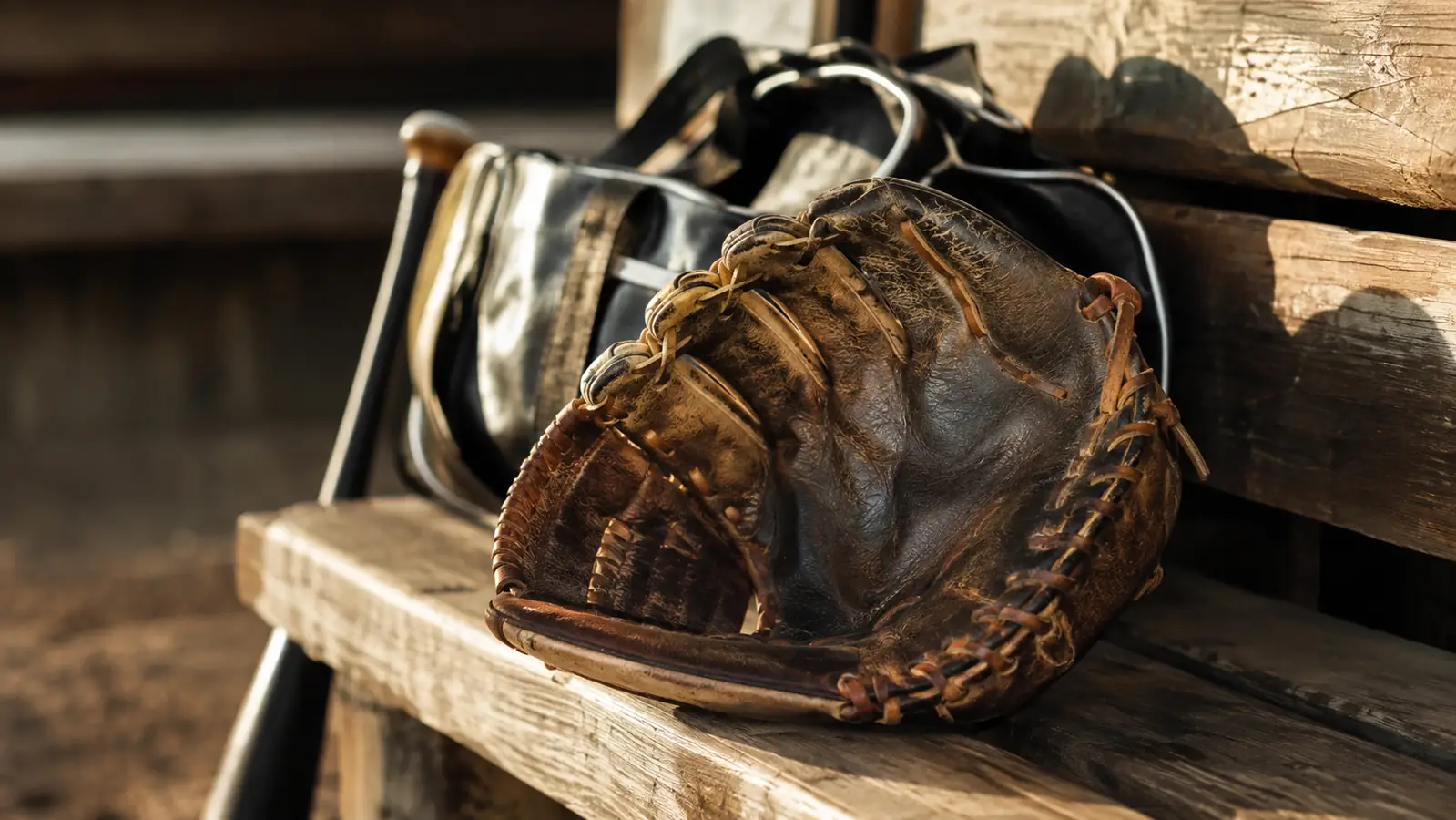
Every glove ends up damp at some point, left in a bat bag after a sweaty double-header or caught in a light rain delay. Synthetic gloves trap that moisture against the coating and it starts to peel or mildew. Full-grain leather can actually get wet and dry out without falling apart, as long as you air it out and condition it afterward. That's the difference between a glove you can treat like real equipment and one you have to baby.
You Can Recondition It Instead of Replacing It
There's no conditioner that fixes a cracked synthetic glove, once it splits, it's done. Leather is different. A little glove oil or conditioner worked into the A2000 once or twice a season keeps the hide supple for years, and it genuinely restores a glove that looks tired after a hard summer. I've watched a five-year-old A2000 come back looking and performing close to new after a proper reconditioning weekend.
It Holds Resale and Hand-Me-Down Value
A twenty-four-dollar glove is worthless the moment your kid moves up a size, nobody wants it and it wasn't built to last anyway. A well-kept A2000 holds real resale value on the secondhand market and gets handed down between siblings without needing to be replaced. Ours went from Eli to his younger sister without so much as a re-lace.
The Fit Options Mean You're Not Settling on Size
Cheap gloves usually come in two or three generic sizes, so most kids end up in something a half size off, which makes the breaking-in problem worse. The A2000 line runs a real range, roughly 11.5 inches for a middle infielder up to 12.25 or 12.75 inches for outfield and first base, across dozens of specific patterns. Getting the actual right size for the position and hand you're fitting matters more than people think, and it's a lot easier to do right when there are that many real options.
The Cost Per Season Actually Ends Up Lower
Check today's price on the A2000 next to a fifty-dollar glove bought new every single season and the math flips fast. Two cheap gloves over two years already costs close to what one A2000 runs, and by year three or four you're paying for a third and fourth cheap glove while ours is still in play. Buy once, recondition twice a year, and the real cost per season of a premium glove ends up lower than replacing a cheap one on repeat.
What I'd Skip
It's tempting to size up so the glove lasts more seasons, but a glove that's too big for a kid's hand teaches bad habits, forces two-handed catches that should be one-handed, and never breaks in right because the pocket forms in the wrong place. I'd also skip any 'game ready' pre-oiled glove that skips the actual break-in process, a properly broken-in glove that molds to your hand beats a soft-out-of-the-box glove that never quite fits anyone's hand specifically. And skip stuffing a glove flat in a bag all winter without a ball wrapped in the pocket, that's the fastest way to undo a season of good break-in work, even on premium leather.
A twenty-four-dollar glove is a one-season rental. A premium leather glove is equipment you're still using in five years.
Break In One Glove Instead of Breaking In Three
A premium glove costs more on day one and less over every season after that. See what the Wilson A2000 runs today and decide if this is the last glove you buy for a while.
Amazon Check Today's Price on Amazon →